For the past few months, I have found myself working on legacy creative tasks. It is a strange, quiet sensation. It makes you think about the natural human urge to leave a mark on the world—like carving your initials into the bark of a tree, wishing for some part of you to remain.
For me, writing has always been that space. It is peaceful, introverted, and quiet. Yet, for a long time, I let self-imposed rules paralyze me. I originally wanted this blog to be a strict documentation of my media consumption, complete with screengrabs. But that rigid rule did not free me; it stopped me from posting altogether. I’ve realized that keeping my mind active with questions and personal projects is what actually keeps me happy. Writing my thoughts down is simply another one of those projects—a way to maintain my wellbeing and stay in a good creative state.
The Illusion of the Advertising Bubble
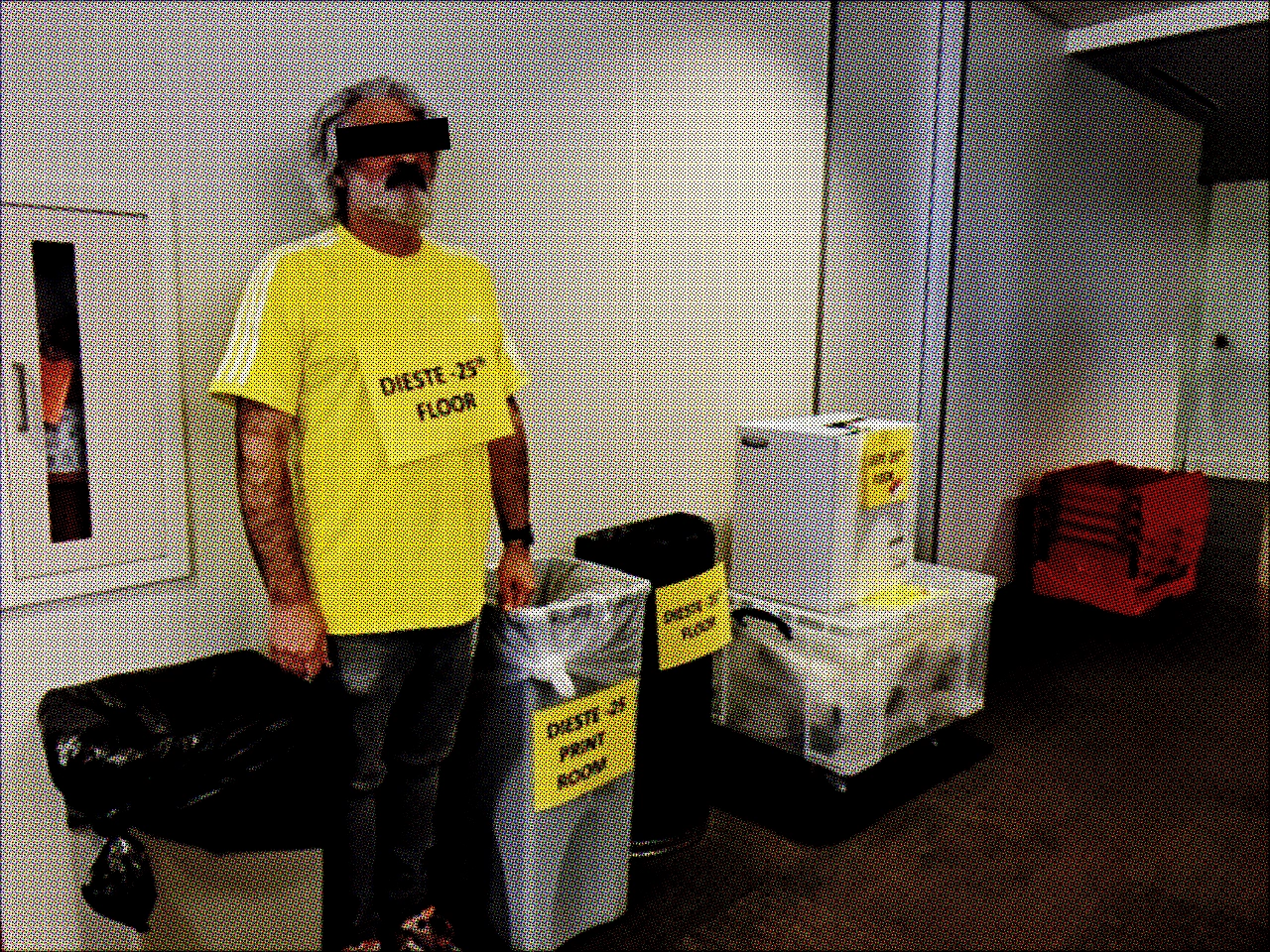
Recently, while browsing LinkedIn, I saw that the Cannes Lions Creativity Festival was starting. Instantly, a wave of familiar PTSD washed over me—the phantom echo of my eight years at Dieste.inc. It was a stark reminder of how deeply I once wanted to be part of that world, and the irony that it took the open internet and my passion for the WWW to finally get my foot in the door.
But once inside, the mythos of the “advertising creator” began to unravel.
My training in art school was all about the critique. You show your work to your peers, receive feedback, and refine it together. In the American advertising industry, I found the exact opposite.
The Colombian Critique vs. the American Bubble
It wasn’t always like this. My experience working in Colombia was actually quite rewarding. Of course, every agency has its share of big egos and divas, but they understood the importance of a connected team. We sat together, showed our work, and critiqued it as a community.
When I moved into the US market, that sense of collective disappeared. I was dropped into a “multicultural” agency, but I never felt part of a unified team. Instead, we lived inside a sterile advertising bubble where planners and creatives who had no real contact with the outside world would dictate how entire demographics behaved.
It was a highly binary, simplistic caricature of culture: a Latino does this, but never that; an African American behaves this way, but never that way. In reality, none of us in those office chairs actually understood the communities we were trying to reach.
Surviving the Bubble: Hospitality as a Reality Check
It was only after I pivoted to a survival job in hospitality that the sheer scale of our disconnect became clear.
In hospitality, you are forced out of the bubble. You interact with the real, messy, beautiful, and complex multicultural fabric of America every single day. You see people as they are, not as data points on a strategic deck. Looking back, I realize how insulated we were.
Because there was no real collaboration or authentic understanding of the culture we were selling, the agency became a breeding ground for dysfunctional behavior. The lack of genuine leadership left a vacuum that was quickly filled by toxicity.
Finding Peace in the Quiet Spaces
Today, I am incredibly happy to be away from that place. The intrusive thoughts and anxiety that the environment produced have finally cleared. I could easily list the long catalog of frustrations and toxic moments from an agency that promised grand creativity and a deep understanding of multicultural America, but I choose not to.
Instead, I am looking forward.
I’ve learned that leaving a mark doesn’t require winning a trophy in Cannes or surviving a dysfunctional boardroom. Sometimes, leaving a mark is as simple as writing down your thoughts, building things on the web, and keeping your mind occupied with projects that bring you joy.
I think I finally know what happiness is.
Bonus Track:
Watch the next minute and a half of this video (0.48s – 2.17s):
Leave a Reply